- Freephone: 0800 170 1273
- Mobile: 07304 000117
- sales@compositegardenrooms.co.uk
The Evolution of Garden Rooms: From Simple Outbuildings to Luxury Lifestyle Spaces
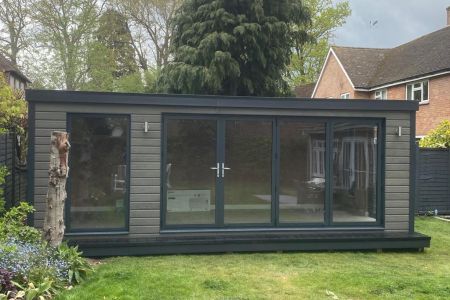
The garden room has undergone a remarkable transformation over the past few decades. Once regarded as little more than a basic shed or seasonal retreat, garden rooms have evolved into sophisticated, fully insulated, and design-led spaces that play a central role in modern living. Today`s garden rooms are not only functional but aspirational - reflecting changes in lifestyle, technology, sustainability, and the way homeowners interact with their outdoor environments.
This article explores the evolution of garden rooms, charting their journey from humble garden structures to premium, multi-functional spaces that rival traditional home extensions. We will examine the key social, architectural, and technological influences that have shaped garden room design and explain why these structures are now considered a long-term investment in lifestyle, wellbeing, and property value.
The Early Days: Practical Garden Structures
Historically, garden buildings served purely practical purposes. Sheds, greenhouses, and basic summerhouses were designed to store tools, protect plants, or provide a simple place to sit during warmer months. Construction was straightforward, insulation was minimal or non-existent, and these buildings were rarely intended for year-round use.
Materials were chosen for affordability rather than longevity or aesthetics. Timber panels, single-glazed windows, and felt roofs were common, and little consideration was given to thermal performance or integration with the main house. These early garden structures were clearly separate from everyday living space.
Despite their limitations, these early buildings laid the foundation for what garden rooms would eventually become. They introduced the idea of occupying the garden in a more structured way - an idea that would later evolve as lifestyles changed and expectations increased.
The Shift Toward Leisure and Lifestyle
As home ownership increased and gardens became more than just functional outdoor areas, garden buildings began to take on a leisure-focused role. Summerhouses, garden studios, and hobby rooms grew in popularity, offering spaces for reading, entertaining, or creative pursuits.
These structures were still largely seasonal, but aesthetics started to matter more. Decorative windows, painted finishes, and more thoughtful layouts became common. Homeowners wanted garden buildings that complemented their outdoor space rather than simply occupying it.
This phase marked an important step in the evolution of garden rooms. The garden was no longer just an extension of storage or utility - it became a place for relaxation, enjoyment, and personal expression.
The Rise of the Garden Room as Living Space
The true transformation of garden rooms began when homeowners started to view them as legitimate living spaces rather than seasonal extras. Improvements in building methods, insulation, glazing, and heating made year-round use possible. Garden rooms could now function independently of weather and seasons.
This shift coincided with rising property prices and growing demand for additional space. Instead of moving house or undertaking disruptive extensions, homeowners discovered that a well-designed garden room could deliver the space they needed more efficiently.
Planning regulations also played a role. In many cases, garden rooms could be built under permitted development rights, making them a faster and more accessible option for increasing usable space.
Remote Work and the Garden Office Revolution
One of the most significant drivers in the evolution of garden rooms has been the rise of remote and hybrid working. As more people began working from home: the limitations of makeshift offices, kitchen tables, spare bedrooms, and shared spaces, became clear.
Garden offices offered a solution that combined separation, privacy, and professionalism. A dedicated workspace away from the main house improved focus, productivity, and work-life balance. This demand fundamentally changed how garden rooms were designed.
Modern garden offices now include high levels of insulation, soundproofing, reliable power and data connections, and ergonomic layouts. In the high-end market, they are often indistinguishable from commercial office spaces in terms of comfort and performance.
Architectural Design and Modern Aesthetics
As garden rooms became more integral to daily life, architectural quality rose dramatically. Clean lines, modern profiles, and minimalist detailing replaced the traditiona, shed-like, appearance of earlier structures.
Flat roofs, large expanses of glazing, and carefully proportioned forms are now common. Garden rooms are increasingly designed to echo or complement the main house, creating a sense of cohesion across the property.
Internally, the focus has shifted toward light, space, and flexibility. Neutral colour palettes, built-in storage, and high-quality finishes ensure that the room feels calm, adaptable, and long-lasting rather than trend-driven.
Sustainability and Energy Efficiency
Sustainability has become a defining chapter in the evolution of garden rooms. Modern homeowners are more conscious of environmental impact, long-term energy costs, and material sourcing. As a result, garden rooms are now built with performance and efficiency at their core.
High-performance insulation, double or triple glazing, and airtight construction significantly reduce heat loss. This allows garden rooms to be heated efficiently, even during winter, without excessive energy consumption.
Materials are also evolving. FSC-certified timber, recycled composites, and low-impact finishes are increasingly specified, particularly in premium builds. These choices improve durability while supporting responsible construction practices.
Some garden rooms now incorporate renewable energy solutions such as solar panels, making them partially or fully energy independent. Others integrate rainwater harvesting or green roofs to improve sustainability and landscape integration.
Multi-Functional Design: Adapting to Changing Needs
Flexibility is one of the most important aspects of the modern garden room. Rather than designing a space for a single fixed purpose, homeowners increasingly want rooms that can evolve over time.
A garden room may begin life as a home office, then transition into a gym, a teenage hangout, a guest suite, or a creative studio. This adaptability is achieved through thoughtful layouts, integrated storage, and lighting schemes that support different uses.
Multi-functional garden rooms represent a significant evolution from earlier designs, which were often too specific or too basic to support long-term change.
Wellbeing and the Connection to Nature
Modern lifestyles place increasing emphasis on mental and physical wellbeing, and garden rooms have evolved to support this shift. Their location within the garden naturally promotes a connection to nature, daylight, and fresh air.
Many garden rooms are now designed specifically for wellness activities such as yoga, meditation, fitness, or quiet retreat. Large windows, skylights, and views of greenery create calming environments that enhance relaxation and focus.
Even when used as offices or entertainment spaces, the psychological benefit of working or relaxing within a garden setting is a key reason why garden rooms have become so popular.
Technology and the Smart Garden Room
The integration of technology marks another important stage in the evolution of garden rooms. As smart home systems become more accessible, they are increasingly incorporated into garden room design.
Smart lighting, heating, and climate control allow users to manage comfort efficiently and remotely. Zoned lighting enables different moods and functions within the same space, while smart thermostats maintain stable temperatures year-round.
Security has also improved. Garden rooms used as offices or guest accommodation often include alarms, smart locks, cameras, and exterior lighting, providing peace of mind and protecting valuable equipment.
Indoor-Outdoor Living and Landscape Integration
One of the most visually striking developments in garden room design is the emphasis on indoor-outdoor living. Rather than existing as isolated buildings, modern garden rooms are designed to interact with their surroundings.
Bi-fold and sliding doors open the room fully to the garden, while decks, patios, and pathways create seamless transitions between spaces. Landscaping is often planned alongside the garden room to ensure visual harmony.
This integrated approach enhances both the usability and aesthetic value of the garden room, reinforcing its role as a true extension of the home.
Compact Living and Garden Annexes
As space becomes more valuable, particularly in urban areas, compact garden rooms have evolved into highly efficient living environments. Clever layouts, built-in furniture, and multi-use features allow smaller rooms to deliver impressive functionality.
Some garden rooms now function as garden annexes, offering independent living space for guests or family members. When designed correctly, these spaces provide privacy, comfort, and flexibility without the need for major structural changes to the main house.
The Future of Garden Rooms
The evolution of garden rooms shows no signs of slowing. As lifestyles continue to change, garden rooms will likely become even more integrated, efficient, and personalised. Advances in materials, energy systems, and modular construction will further improve performance and design flexibility.
What began as a simple garden structure has become a sophisticated architectural features - one that supports work, wellbeing, creativity, and social life. Modern garden rooms represent a shift in how we define living space, blurring the boundaries between home, garden, and lifestyle.
Conclusion: A Permanent Part of Modern Living
The evolution of garden rooms reflects broader changes in how people live, work, and value their homes. From practical sheds to luxury, multi-functional spaces, garden rooms have adapted to meet modern demands while offering flexibility for the future.
Today`s garden rooms are not temporary trends - they are permanent, considered additions that enhance quality of life and add long-term value. As design, sustainability, and technology continue to advance, garden rooms will remain one of the most relevant and rewarding ways to expand and improve the modern home.
If you would like to talk to a member of our friendly staff about our the evolution of garden rooms, we would be very happy to hear from you. You can even call us free on FREEPHONE: 0800 170 1273 (It's free to call us from either a mobile phone or a landline).