- Freephone: 0800 170 1273
- Mobile: 07304 000117
- sales@compositegardenrooms.co.uk
Garden Room Trends: How Modern Garden Rooms Are Redefining Outdoor Living
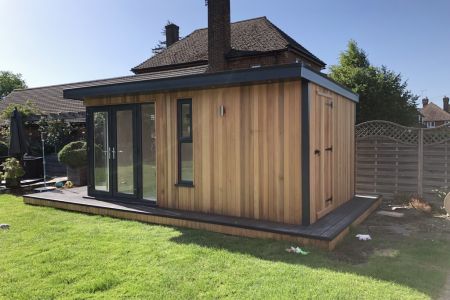
Garden rooms have evolved far beyond basic outdoor shelters. Today, they are fully insulated, design-led spaces that support modern lifestyles - whether that means a dedicated garden office, a wellness studio, a guest suite, or a premium entertainment space. Driven by remote work, a desire for flexible living, and a growing focus on sustainability, the latest garden room trends are shaping how homeowners in the UK and beyond maximise their outdoor space.
In this guide, we explore the most important garden room trends and how they influence layout, materials, technology, and aesthetics - especially for the high-end garden room market.
The Rise of Garden Rooms in Modern Living
Garden rooms have become one of the most desirable home upgrades because they provide additional usable space without the disruption of a full extension. Homeowners are prioritising adaptable, year-round rooms that can be installed quickly and used immediately. For many, a garden room is now an essential part of how the home functions - offering separation, privacy, calm, and a purposeful environment.
This shift has been accelerated by remote and hybrid working patterns, increased interest in wellness at home, and the growing demand for lifestyle-driven outdoor living. Instead of being seasonal structures, modern garden rooms are built with premium insulation, high-performance glazing, and thoughtful design that makes them comfortable in every month of the year.
- Flexible living: One room can serve multiple uses over time.
- Year-round comfort: Modern insulation and heating solutions keep spaces usable in winter.
- Premium design: Garden rooms increasingly mirror interior architecture and style trends.
- Value and enjoyment: A high-quality garden room enhances lifestyle and can improve buyer appeal.
Sustainable Garden Rooms: Eco-Friendly Materials and Energy Efficiency
Sustainability is no longer a nice-to-have feature - its a major design driver. Many homeowners want to reduce their footprint, lower running costs, and invest in long-lasting structures made with responsible materials. Premium garden rooms often focus on high performance first: airtightness, insulation, and durability. The result is a space that feels more like a modern home extension than an outbuilding.
Solar Panels and Renewable Energy
Integrating solar panels into the design can improve energy independence and reduce electricity costs. Solar is often paired with efficient lighting, smart heating controls, and modern insulation to create a low-energy garden room that`s comfortable without being expensive to run.
Recycled and Reclaimed Materials
Using reclaimed timber, recycled composites, or salvaged architectural features can reduce waste and add character. In the luxury market, this can also create a distinctive finish - subtle texture, unique grains, and a sense of heritage that mass-produced products don`t always offer.
Rainwater Harvesting and Water Efficiency
Where garden rooms are integrated into wider landscaping (outdoor kitchens, irrigation, planting schemes), rainwater harvesting can support sustainable garden maintenance. Even simple systems can help reduce reliance on mains water for garden use.
Natural Ventilation and Passive Cooling
Natural ventilation is becoming more popular as summers warm and homeowners seek comfortable spaces without constant air conditioning. Opening skylights, roof vents, well-placed windows, and shading strategies can help regulate indoor temperature naturally.
Multi-Functional Garden Rooms: One Space, Multiple Lifestyles
The strongest trend in modern garden rooms is multi-functionality. Homeowners want spaces that can evolve over time: a garden office today, a teen hangout next year, and a guest suite later on. Flexible design, integrated storage, and adaptable lighting layouts make this possible.
Garden Offices and Work-From-Home Studios
Garden offices remain the top use case. They provide separation from home life, reduce distractions, and create a professional environment, especially when designed with acoustic insulation, strong Wi-Fi, and ergonomic layouts. In the premium market, the garden office is less a shed conversion and more a private studio: design-led, refined, and built for daily use.
Guest Accommodation and Garden Suites
Many homeowners are upgrading garden rooms to include guest-friendly features: luxury finishes, strong heating, integrated storage, and (where feasible) plumbing for bathrooms. A private garden suite can be ideal for visitors, older relatives, or independent living.
Wellness Spaces: Yoga, Pilates, and Home Gyms
Wellness-focused garden rooms are rising fast. Natural light, privacy, and a calming connection to greenery make them ideal for yoga, meditation, and fitness. Features like mirrored walls, underfloor heating, and resilient flooring can transform a simple structure into a studio-quality space.
Creative Studios and Workshops
Artists, makers, and hobbyists value the dedicated space a garden room provides - especially for messy or noisy work. Daylight, ventilation, durable surfaces, and smart storage can make the room feel like a professional workshop.
Entertainment and Social Spaces
Garden rooms are increasingly designed as high-end leisure spaces: cinema rooms, bar lounges, games rooms, and music studios. With acoustic upgrades and integrated AV systems, they can become the home`s second living room - perfect for hosting without taking over the main house.
Modern Minimalism: Clean Lines, Calm Interiors, and Timeless Appeal
Minimalism continues to dominate premium garden room aesthetics. Clean architecture, uncluttered interiors, and a restrained palette make the space feel calm, spacious, and contemporary. Minimalist design also suits multi-functional use because it avoids overly specific styling and keeps the room adaptable.
Large Windows and Glass Walls
Expansive glazing is one of the most recognisable luxury garden room features. It brings in daylight, frames garden views, and creates an indoor-outdoor connection that elevates the experience of the room. High-performance glazing (double or triple) improves comfort and reduces heat loss.
Monochrome and Neutral Colour Schemes
Neutral palettes: soft whites, warm greys, muted taupes, and natural timber tones, help garden rooms feel bright and refined. In the high-end market, these tones are often paired with texture rather than colour: wood grain, stone, matte finishes, and subtle fabric layers.
Hidden Storage and Built-In Joinery
Integrated storage keeps the space functional without feeling cluttered. Built-in cabinetry, floating shelves, and concealed utility areas can support office use, wellness storage, or entertainment equipment while preserving a clean look.
Natural and Organic Materials: Warmth, Texture, and a Connection to Nature
Alongside minimalism, there is a strong trend toward natural materials that help garden rooms blend into outdoor surroundings while creating a cosy interior atmosphere. This trend suits both contemporary and more traditional landscapes, depending on how the materials are detailed.
Wood as a Signature Feature
Timber cladding remains one of the most popular finishes, especially for luxury garden rooms. It offers warmth and character, and it can be specified in a variety of profiles for different design styles - clean contemporary lines, textured rustic finishes, or architectural patterns.
Stone and Brick Accents
Stone or brick details can add depth and permanence - particularly as a feature wall, fireplace surround, or external base detail. These materials can help the garden room feel rooted in the landscape rather than placed on top of it.
Earthy Palettes and Soft Textures
Colours inspired by nature - greens, warm browns, muted creams, and charcoal accents, create a relaxed, harmonious look. Layering textures through rugs, acoustic panels, curtains, and soft seating adds comfort and improves acoustics in office or entertainment settings.
Smart Garden Rooms: Lighting, Climate, Security, and Convenience
Smart technology is becoming standard in premium garden rooms. Homeowners want comfort and control - without needing to overcomplicate the space. The best smart features are the ones you barely notice, but instantly appreciate: warm lighting at the right time, stable temperature, and reliable security.
Smart Lighting
Smart lighting can be controlled by app, schedule, or sensors. Zoned lighting is especially useful in multi-purpose room - bright focused light for work, softer ambient light for evenings, and feature lighting to highlight textures or artwork.
Smart Heating and Climate Control
Modern garden rooms often include efficient electric heating, underfloor heating, or advanced climate systems paired with smart thermostats. This makes it easy to maintain comfort year-round while keeping energy use efficient.
Security for Peace of Mind
Garden rooms used as offices, studios, or guest spaces may include alarms, smart locks, cameras, and exterior lighting. Security is a key consideration for high-end clients storing equipment or using the space regularly.
Entertainment Integration
Smart speakers, discreet wiring, wall-mounted TVs, and integrated sound systems create a clean finish and a better experience - especially for cinema rooms, lounges, and music studios.
Indoor-Outdoor Living: Seamless Flow Between House, Garden, and Garden Room
Indoor-outdoor living remains a defining trend. The most effective garden rooms feel connected to the landscape through layout, glazing, materials, and the way the surrounding garden is designed. Rather than treating the room as a separate building, homeowners are planning the space around it.
Bi-Fold and Sliding Doors
Large openings create flexibility and encourage use in warmer months. Bi-fold or sliding doors can turn the room into a semi-outdoor lounge, supporting entertaining, dining, or simply enjoying the garden view.
Alfresco Dining and Outdoor Kitchens
A premium garden room is often paired with a patio, decking, or dining area. Some designs include outdoor kitchen zones, built-in BBQs, and sheltered seating for year-round socialising.
Landscaping Integration
Pathways, planting, lighting, and features like water or fire pits help connect the room to the garden. When designed together, the garden room feels intentional and luxurious - like part of an overall outdoor lifestyle project.
Micro-Living and Compact Garden Rooms: Small Footprints, Big Function
Compact garden rooms are becoming more sophisticated as homeowners seek space-efficient solutions. Even small footprints can deliver a premium experience with thoughtful design, storage, and lighting. This trend is particularly relevant for smaller UK gardens where every metre matters.
Tiny Living and Garden Annexes
Some garden rooms are designed as mini living spaces with sleeping areas, small kitchens, and bathrooms where planning and services allow. These can support guests, multigenerational living, or rental opportunities.
Space-Saving Furniture and Built-Ins
Fold-away desks, built-in seating, wall storage, and multifunctional joinery help compact spaces remain open and usable. The goal is to avoid clutter and create a high-end feel even in a small room.
Off-Grid Options
While not suitable for every property, off-grid elements like solar power and water-efficient systems reflect the wider move toward sustainability and independence, especially for rural settings or occasional-use retreats.
Creative Roofing and Skylights: More Light, Better Comfort, Stronger Character
Roofing is no longer just a practical choice - it has become a design feature. Roof forms influence the room`s style, head height, insulation performance, and daylight levels.
Living (Green) Roofs
Green roofs provide natural insulation, reduce rainwater runoff, and create wildlife-friendly habitat. They also help the building blend into the landscape - especially in gardens with naturalistic planting.
Skylights and Roof Lanterns
Skylights and roof lanterns dramatically improve daylight, making garden rooms feel larger and brighter - ideal for studios, gyms, and offices where natural light improves wellbeing and comfort.
Retractable Roofs and Shading Solutions
Adjustable shading and retractable elements provide seasonal flexibility - allowing homeowners to control heat gain, glare, and ventilation. Even simple solutions like overhangs, pergolas, and external blinds can improve summer comfort.
Conclusion: Why Garden Rooms Are the Future of Premium Outdoor Space
Garden room trends reflect a bigger shift in how people live: more flexibility, more focus on wellbeing, and more demand for high-performance spaces that feel beautiful and purposeful. Whether the goal is a luxury garden office, a wellness studio, a guest suite, or a relaxing retreat, modern garden rooms deliver a powerful combination of lifestyle value and practical functionality.
The strongest trend across the market is clear: homeowners want garden rooms that feel permanent, comfortable, and integrated built with premium materials, smart features, and design choices that stand the test of time. With sustainability, multi-functionality, and indoor-outdoor living continuing to shape expectations, garden rooms are set to remain at the forefront of modern home improvement for years to come.
If you would like to talk to a member of our friendly staff about our garden room trends, we would be very happy to hear from you. You can even call us free on FREEPHONE: 0800 170 1273 (It's free to call us from either a mobile phone or a landline).